
Kitchen, Bathroom and Commercial Strip-Outs in Sydney
A strip-out takes a space back to its structure while the building stays standing and often stays occupied. We strip kitchens and bathrooms ahead of renovations, and offices, shops and venues at lease end. Each job starts with a hazardous materials check, protection for what stays, and a clear plan for getting waste out.
- Hazardous materials survey before work starts
- Asbestos handled by SafeWork NSW licensed removalists
- Dilapidation reports on neighbouring properties
- Dust, noise and traffic planned for city streets
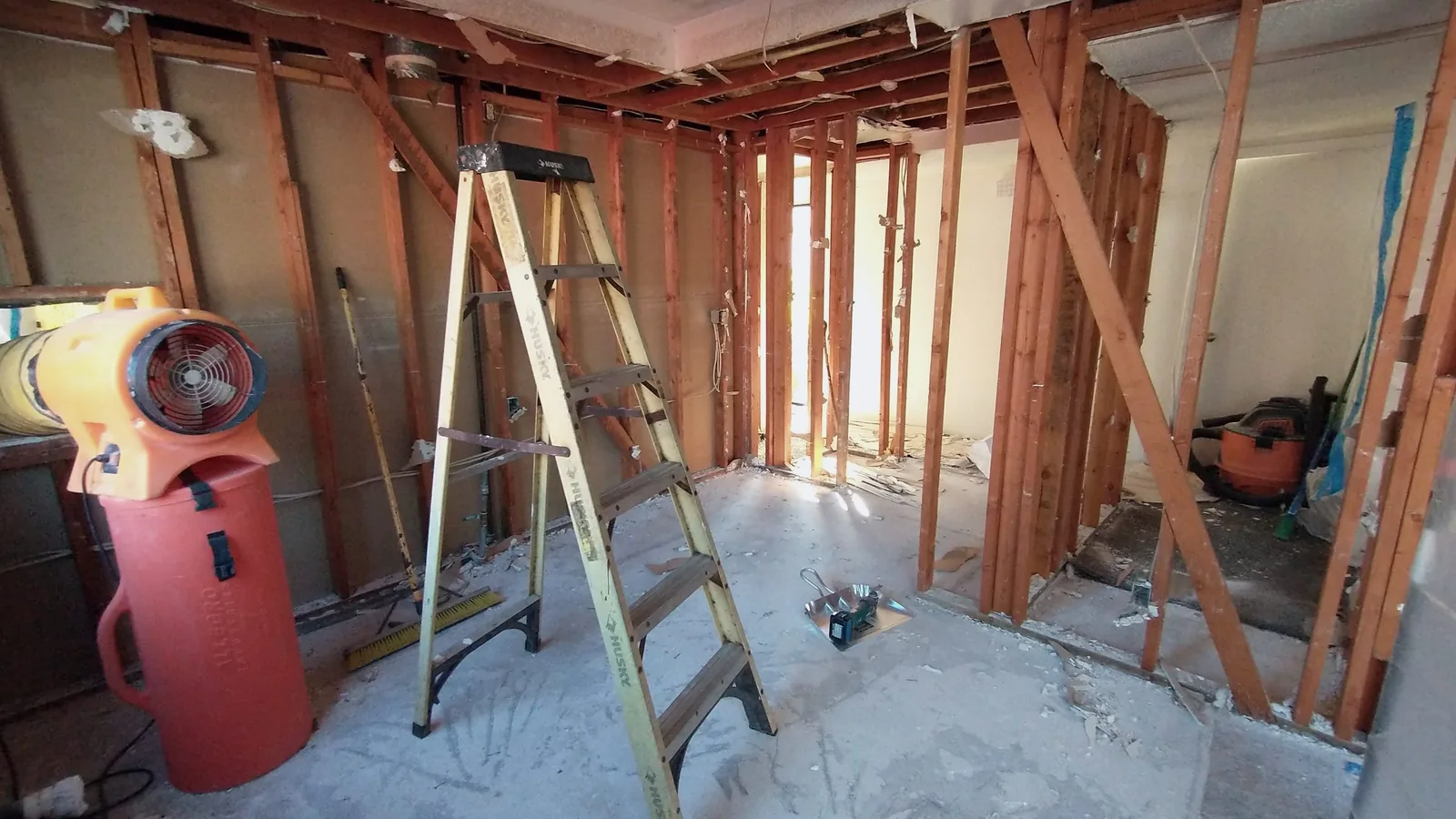
Strip-outs on Sydney sites
A strip-out removes everything back to the structure while the building stays standing. It sounds simpler than demolition, but it is often harder. The building is usually still in use, or the people next door are. Access runs through stairwells, lifts and narrow halls. Services pass through the walls being removed. Good strip-outs come down to sequence and protection.
We take on three kinds of strip-out: kitchens, bathrooms and commercial fitouts.
Kitchen strip-outs
A kitchen strip-out removes cabinetry, benchtops, appliances, splashbacks, wall linings and flooring, and can go back to the studs and subfloor if the renovation calls for it. Before anything is pulled out:
- A plumber caps water and waste
- A licensed electrician isolates and makes safe the circuits
- A licensed gasfitter disconnects any gas cooktop or oven
- The older linings are checked for asbestos, especially splashback sheeting and vinyl floor backing
In terraces and apartments the kitchen often sits at the back, so everything leaves through the house. We protect floors and door frames along the route and remove material in manageable loads.
Bathroom strip-outs
Bathrooms are the room most likely to hold asbestos in an older Sydney home. Fibro wall sheeting behind tiles and under the floor of wet areas is common in houses built before 1990, and in many apartment blocks of the same era. A survey comes first. Where asbestos is found, it is removed by SafeWork NSW licensed removalists and cleared before the rest of the strip-out continues.
After that, tiles, screed, fixtures, vanity, bath and shower base come out. On upper floors and in strata buildings we take care with the waterproofing below and the ceiling of the unit underneath, and we work within the strata's rules for noise, hours and common property protection.
Commercial strip-outs
Commercial strip-outs cover offices, retail shops and hospitality venues. A typical scope includes partitions, ceilings, carpet, joinery, kitchenettes, data cabling and the tenant's own services. At the end of a lease this is usually a make-good: returning the space to the condition the lease requires, often the base building condition.
Commercial work is shaped by the building's rules:
- Loading dock and goods lift bookings
- Lift and corridor protection
- Fire system isolations arranged through the building's own contractor
- Hot works permits where cutting is needed
- Noisy work booked after hours or on weekends so other tenants can keep working
In the City of Sydney and North Sydney, most office strip-outs are done after hours in occupied towers. We plan around building management, submit the paperwork they need, and keep the floor tidy and secure at the end of each shift.
Hazardous materials in strip-outs
Strip-outs disturb the linings and floors where hazardous materials sit. For homes built before 1990, and for older commercial fitouts, we start with a hazardous materials survey of the areas being stripped. In commercial buildings we also check the building's asbestos register and work to it. Anything found is removed first, by licensed removalists, with a clearance certificate before general strip-out continues.
Protecting what stays
The point of a strip-out is that most of the building stays. Floors, stairs, lifts, door frames and neighbouring units are protected before work starts. Services that remain live are identified and marked. Structural elements are left alone unless an engineer has specified their removal. If walls are coming out, we need to know which ones are load bearing before the job starts.
Dust and noise in occupied buildings
Dust is the biggest concern for anyone living or working nearby. Work areas are sealed off with temporary screens, doors are taped, and dust is controlled at the source with extraction and wetting where suitable. Noisy tools are kept to agreed hours. In apartment blocks and offices we let building management know the noisy days in advance.
Waste and recycling
Strip-out waste is mixed: timber, plasterboard, metal, glass, carpet and joinery. Sorting it on the way out keeps metal and some timber out of landfill. In buildings without a loading dock, waste leaves in smaller loads through the route the building approves.
What to send us
Send the address, photos of each area to be stripped and a short list of what stays and what goes. For commercial work, include the floor and suite number, the lease end date if this is a make-good, and any building rules or contractor induction requirements you already have.
Why choose us for strip-outs
- Kitchens and bathrooms stripped back to studs and subfloor
- Office, retail and hospitality make-goods at lease end
- After-hours work in occupied CBD and North Sydney towers
- Loading dock, lift and building management bookings handled
- Hazardous materials checked before linings come off
- Floors, lifts and neighbouring units protected
Strip-Outs: common questions
What is a make-good strip-out?
At the end of a commercial lease, the tenant usually has to return the space to the condition the lease sets out. That often means removing partitions, ceilings, carpet, joinery and cabling back to the base building.
Can the work be done after hours?
Yes. Noisy commercial work in occupied buildings is commonly booked after hours or on weekends. We work to the building's rules on dock bookings, lift use, inductions and permits.
Will my bathroom have asbestos?
If the home or apartment was built before 1990, it might. Fibro sheeting behind tiles and under wet-area floors is common. A survey before the strip-out confirms it, and any asbestos is removed by licensed removalists first.
Do you disconnect the plumbing and electrics?
Water, waste, gas and electrical work is done by licensed plumbers, gasfitters and electricians, who cap and make safe the services before the strip-out starts.
Planning a demolition or strip-out in Sydney?
Send us the address and a few photos. We will look at access, neighbours and approvals, then come back with a written quote.